
What Is a Private Label Shoe Brand? (vs OEM, ODM, White Label)
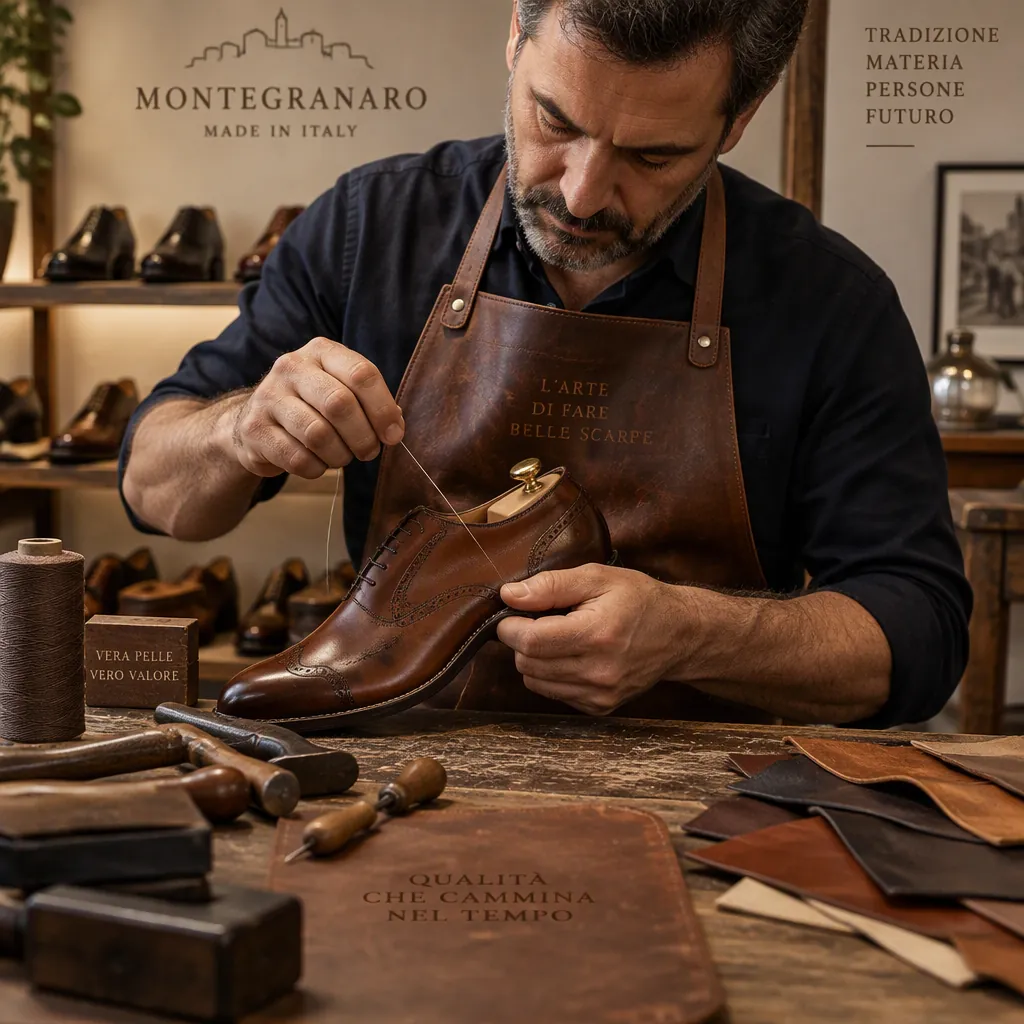
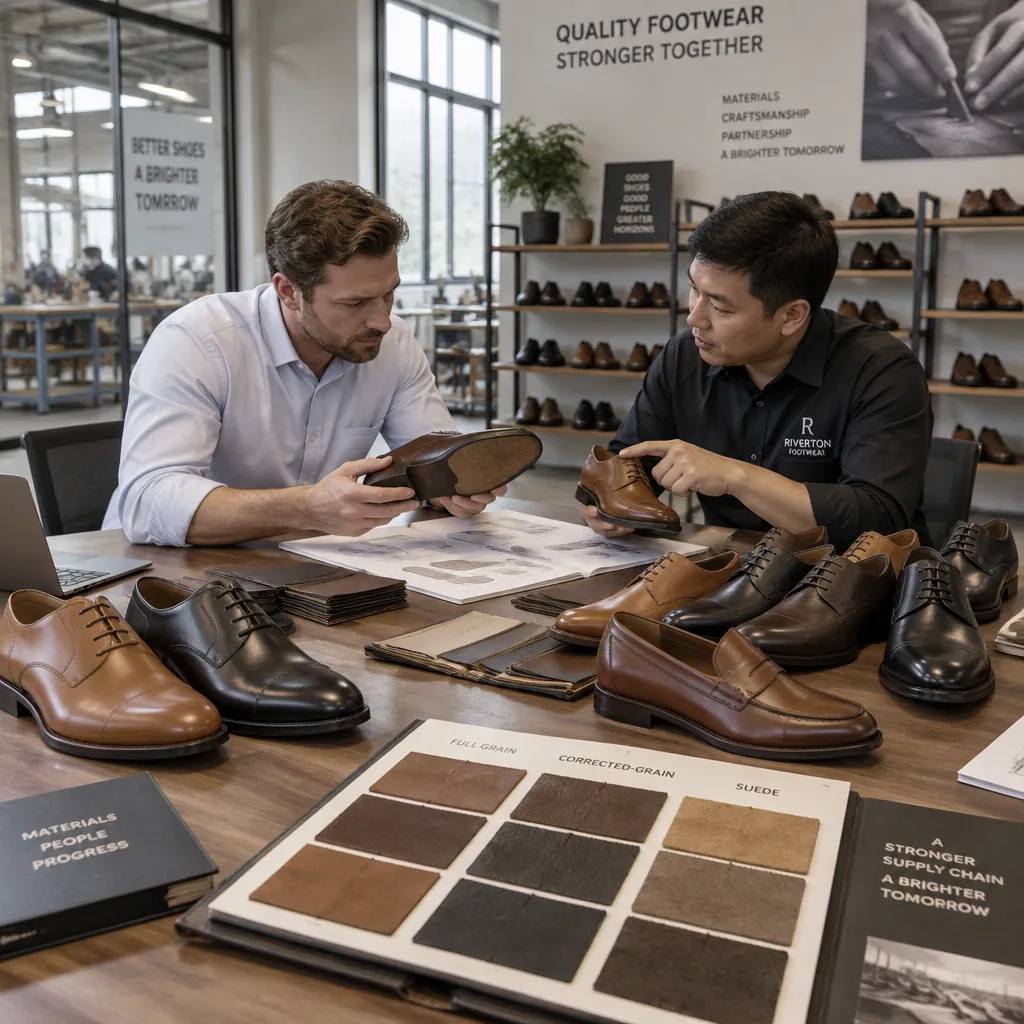
A private label shoe brand sells shoes manufactured by a third-party factory under your own brand name. You choose the styles, materials, logo placement, and packaging from the factory’s existing capabilities, and the finished product carries your brand—not the manufacturer’s. It is the fastest way to launch a footwear brand without owning a factory.
The terms buyers search for—private label, white label, OEM, and ODM—overlap, but the differences matter when you negotiate. Here is the practical breakdown:
| Model | Who Owns the Design? | Who Owns the Brand? | Typical MOQ | Best For |
|---|---|---|---|---|
| White label | Factory | You (rebrand only) | Lowest—often stock designs | Testing a market fast |
| Private label | Shared (factory base + your branding) | You | 60–300 pairs | Building a brand on proven styles |
| OEM | You (from factory’s construction) | You | 60–500 pairs | Brands with clear tech specs |
| ODM | Factory designs, you refine | You | 300–500 pairs | Brands wanting unique designs |
Private label sits in the sweet spot: you get manufacturing maturity and lower MOQs because the factory already produces the style, while your logo, materials selection, and packaging make the product yours. Fully custom OEM/ODM work costs more and demands higher volumes because the factory builds new patterns, lasts, and tooling for you.
How Much Does It Cost to Start a Private Label Shoe Brand?
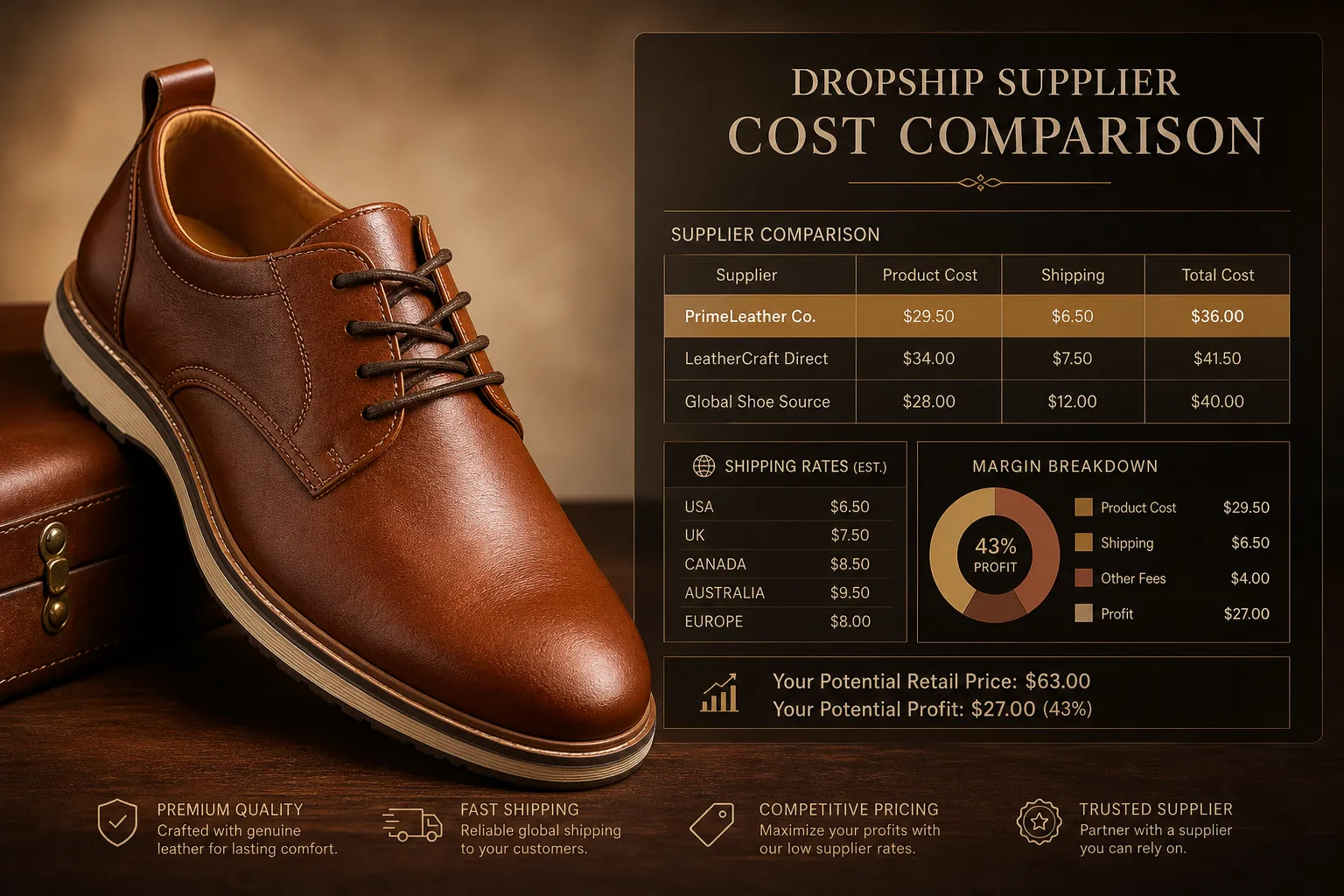
A realistic first-order budget for a private label men’s leather shoe brand starts around $2,500–$6,000 all-in, assuming a 60-pair MOQ at a genuine-leather FOB of $25–40 per pair, plus sampling, freight, duties, and compliance testing. Your exact number scales with order quantity, leather grade, and customization depth.
Here is how the budget breaks down for a typical first order:
| Cost Item | Realistic Range | Notes |
|---|---|---|
| Samples (design + size set) | Quoted per style | Budget 1–2 rounds before bulk |
| Bulk goods (60 pairs × $25–40 FOB) | $1,500–2,400 | Genuine leather dress shoes, factory-direct |
| Freight (air or sea) | Quote per volume | Sea is slower but cheapest per pair for bulk |
| Import duties | Varies by destination | See the complete tariff guide for leather shoes |
| Compliance testing | Per regulation | REACH for the EU; CE where applicable |
| Trademark registration | Per jurisdiction | File in your home market first |
Two levers move this budget more than anything else: MOQ and FOB. Negotiating a 60-pair entry point instead of 300 nearly halves the cash needed to launch, and factory-direct sourcing (rather than buying through a trading company or marketplace) removes a layer of margin from every pair. Full landed-cost math, including marketplace fees, is covered in our factory-direct wholesale buying guide.
What MOQ Should You Expect for Private Label Shoes?
Expect a private label MOQ of around 60 pairs per style for logo customization on existing designs, with some manufacturers offering lower thresholds on stock models; fully custom designs typically require 300–500 pairs. The MOQ reflects real production economics—cutting dies, leather batches, and stitching lines are set up per style, so tiny runs waste capacity.
Three MOQ tiers cover most situations:
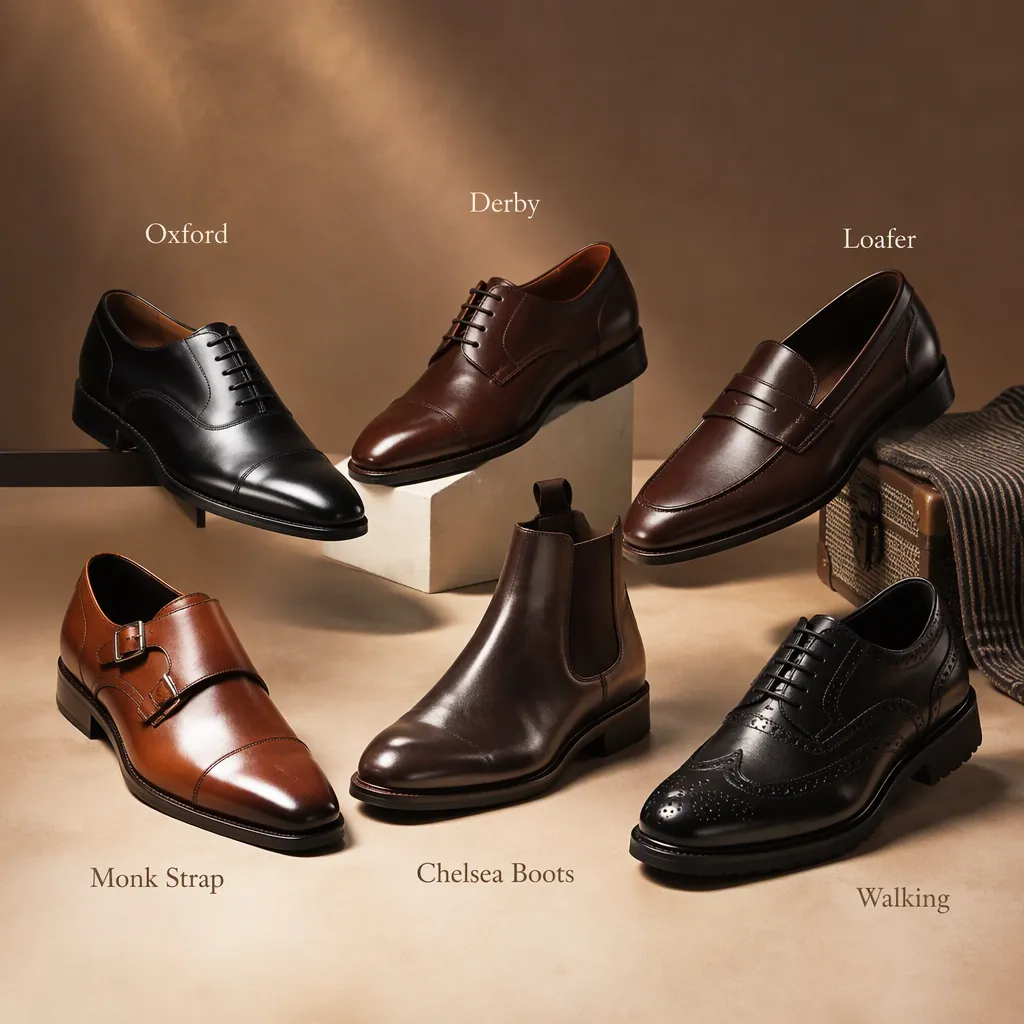
- Stock designs with your logo: 0–60 pairs. If the factory already produces the style, adding your logo and packaging is a light customization. This is the lowest-risk entry for testing demand—our low MOQ leather shoe manufacturing guide explains what factories can realistically accept.
- Logo + material/color changes: around 60 pairs. Swapping leather grade, lining, or sole material keeps the existing pattern but touches the supply chain, so factories hold a small MOQ to keep batches consistent.
- New pattern development (OEM/ODM): 300–500 pairs. Custom lasts, new cutting dies, and unique construction justify higher minimums—see the custom logo shoes MOQ guide for a per-customization-type breakdown.
When you compare quotes, ask what the MOQ actually buys: some suppliers quote a low minimum but require one size run per size, effectively tripling the commitment. A transparent factory states the MOQ per style, per color, and per size breakdown upfront.
How Do You Choose a Private Label Shoe Manufacturer?
Choose a manufacturer that is a direct factory (not a reseller), publishes its certifications, offers sampling in 7–15 days, and demonstrates MOQ flexibility on existing designs. Those four signals separate real production partners from middlemen adding margin.
A fifth signal worth testing: the breadth of custom shoe design ideas a partner can execute – sampling range is the fastest way to tell a real development team from an assembler.
Work through this checklist before sending a deposit:
| Criterion | What Good Looks Like | Red Flag |
|---|---|---|
| Business model | Direct factory; video audit or factory visit offered | Refuses to show production floor |
| Certifications | CE, REACH (Azo dyes), RoHS, EN-ISO 20347 verifiable | “Certificates available on request” only |
| Sampling speed | 7–15 days from confirmed spec sheet | Vague timelines, no spec process |
| MOQ flexibility | 0 on stock designs, ~60 pairs for custom | One-size-fits-all 500+ minimum |
| Communication | Named engineer + sales contact, spec-driven replies | Price-only answers to technical questions |
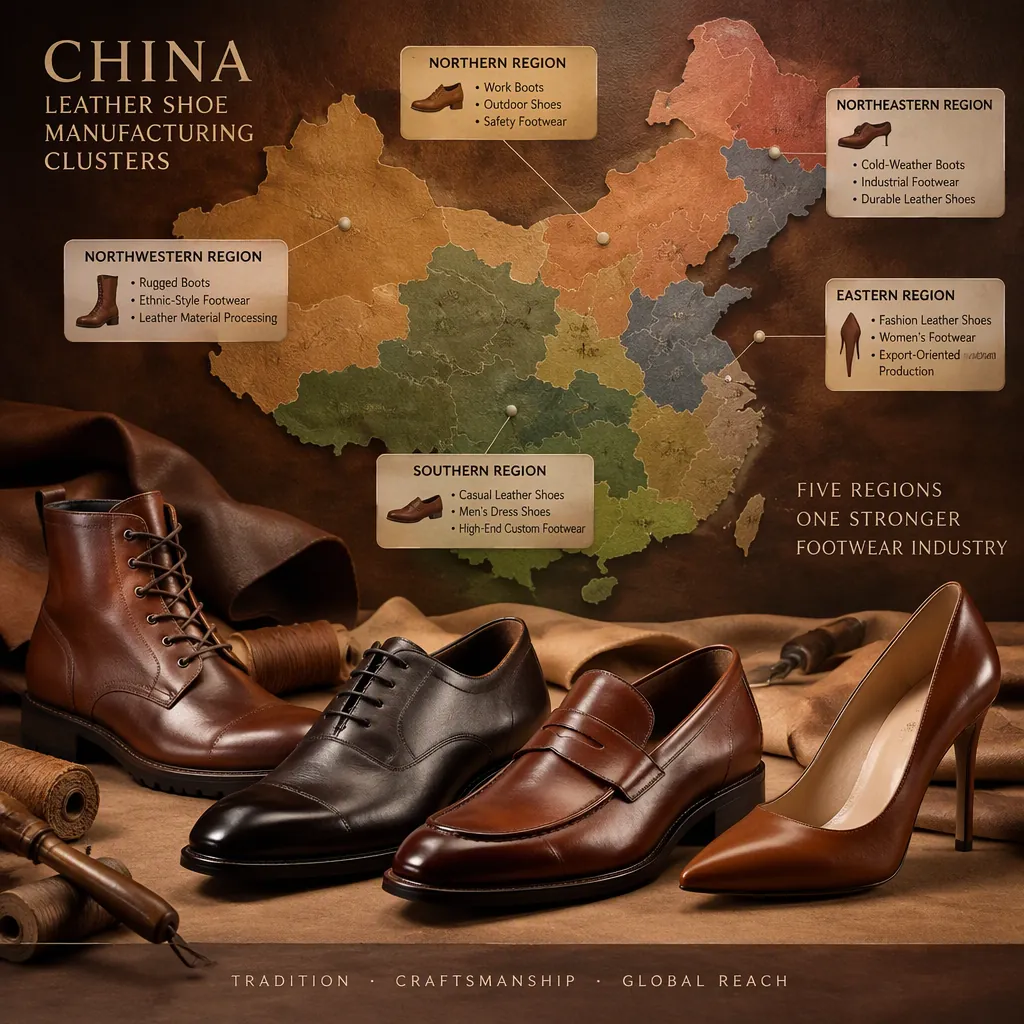
Confirm you are dealing with the factory itself rather than a trading company—the cost, MOQ, and quality-control differences are significant, and our factory direct vs trading company comparison walks through the seven checks that reveal which one you are talking to. Also weigh manufacturing country: our data-driven China vs Vietnam vs India vs Indonesia comparison covers where men’s leather dress shoes are actually best made. For European distribution, many private label buyers shortlist German-market suppliers—our Top 10 shoe suppliers in Germany guide covers that angle.
For deeper evaluation frameworks, the guide to finding shoe manufacturers in China covers verification step by step, and the B2B leather shoe manufacturer selection guide provides a full scoring rubric.
What Does the Private Label Production Process Look Like, Step by Step?
A private label shoe order runs: design brief → tech pack → sampling (7–15 days) → PP sample approval → bulk production (30–45 days) → quality inspection → shipping; plan 90–120 days from first brief to warehouse delivery. Each gate protects you from the most expensive failure mode in footwear: approving a sample and receiving bulk goods that don’t match it.
| Step | Timeline | What Happens |
|---|---|---|
| 1. Design brief & tech pack | 3–7 days | Style, leather, sole, logo placement, packaging spec |
| 2. Sampling | 7–15 days | Counter-sample built on existing lasts; revisions priced upfront |
| 3. PP sample approval | 2–5 days review | Pre-production sample in bulk materials—your final reference |
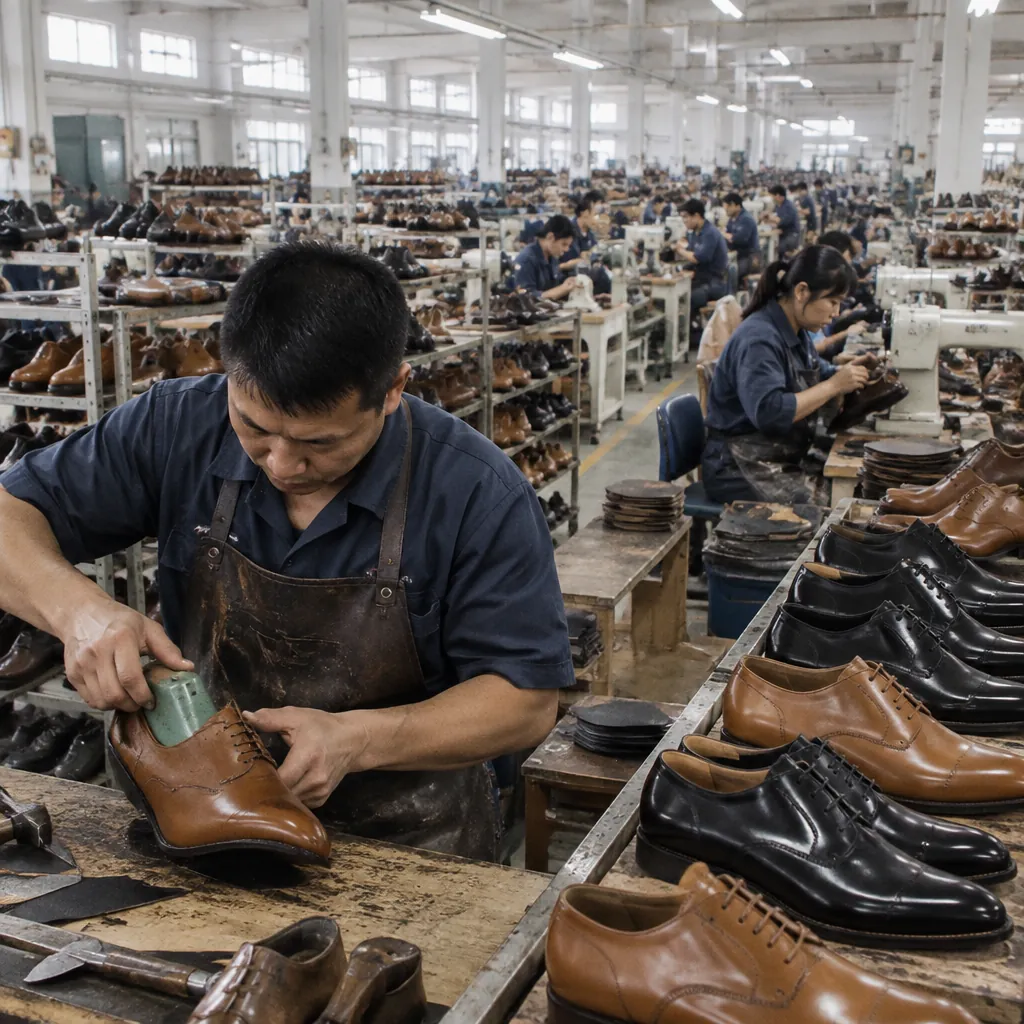
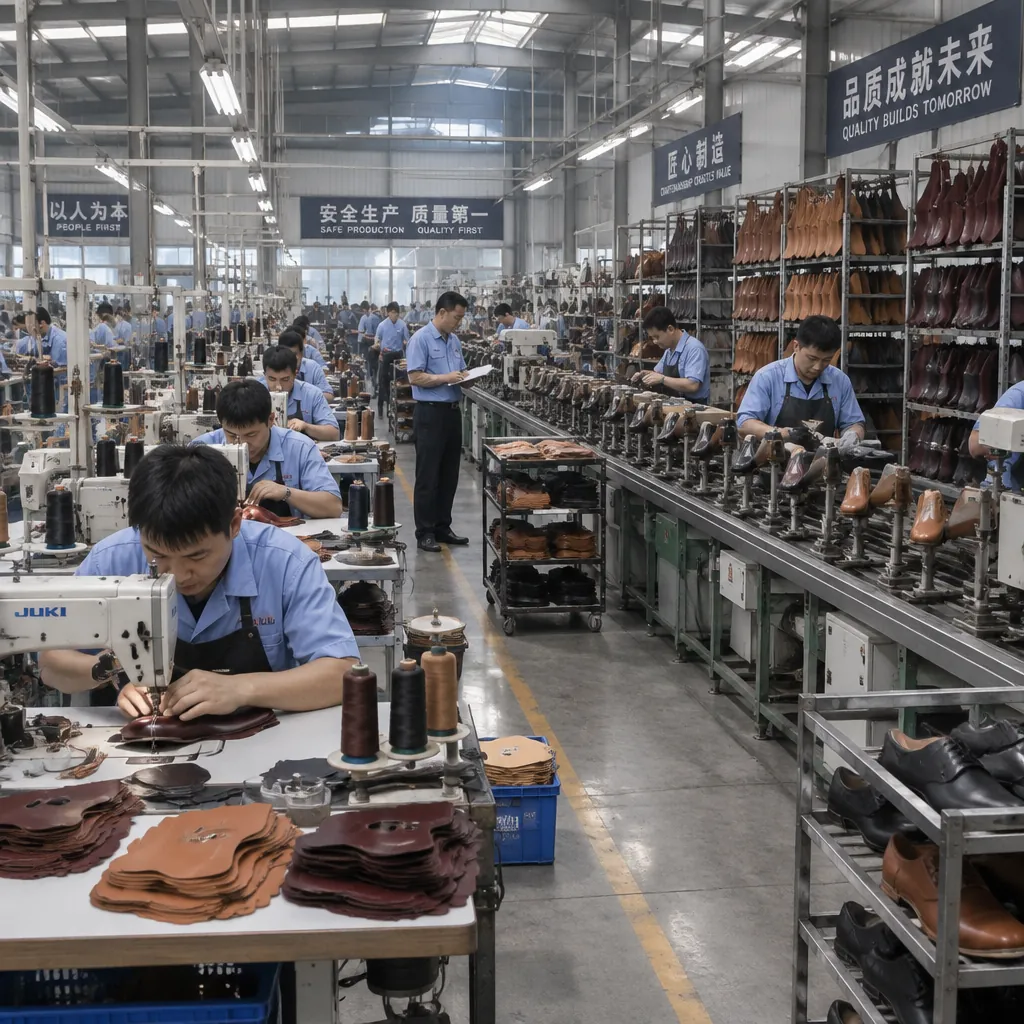
| 4. Bulk production | 30–45 days | Cutting → stitching → lasting → finishing on the production line |
| 5. Quality inspection | 2–4 days | AQL sampling against your agreed acceptance limits |
| 6. Packing & shipping | Per freight mode | Your branded boxes, master cartons, booking |
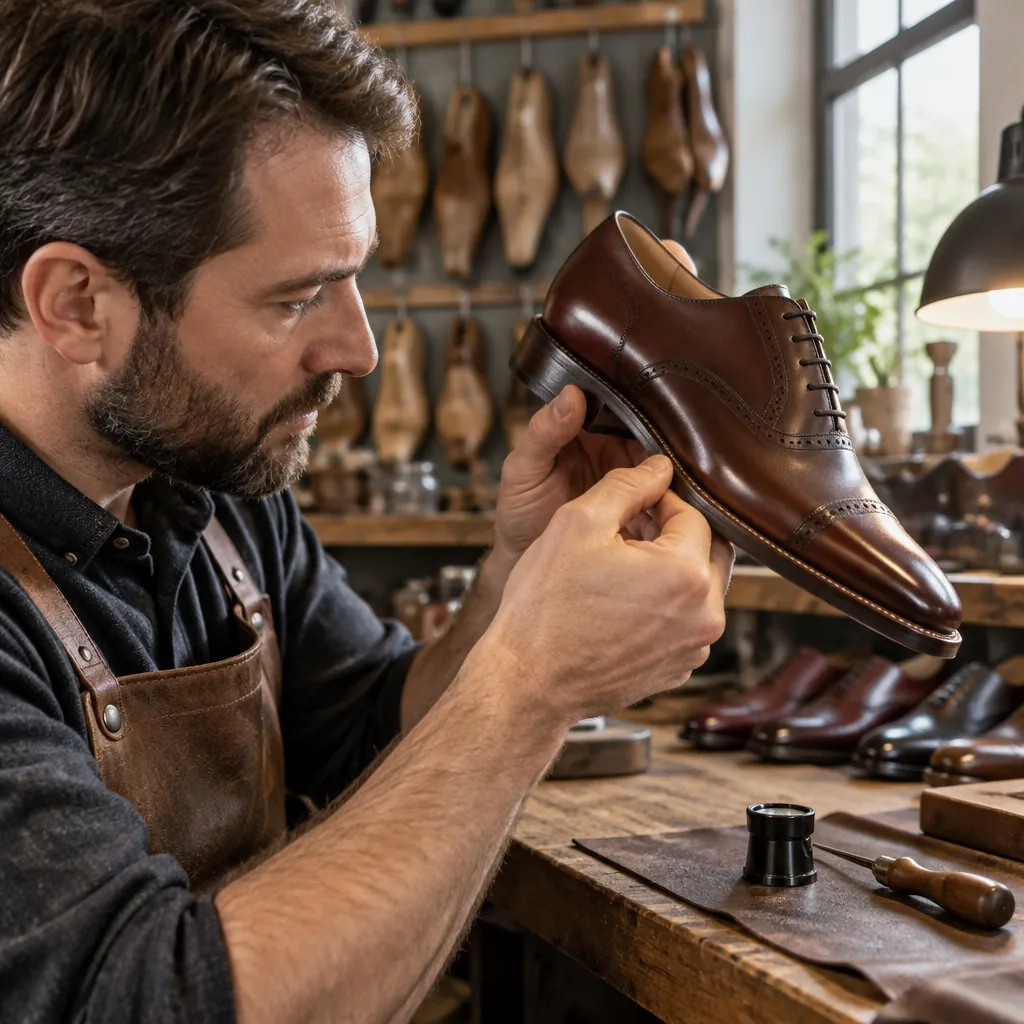
The PP sample gate is where private label buyers get their money’s worth: it is produced with the same leather batch and line settings as bulk, so approving it locks the standard. During inspection, an AQL-based footwear quality control process gives you statistically defensible accept/reject decisions instead of eyeballing cartons. Build your launch calendar backwards from your sales date and add a 2–3 week buffer for first-order surprises—seasoned importers budget 90–120 days end to end for exactly this reason.
Want the longer runway? Our 26-week phased private label launch roadmap walks the full journey from brand positioning through first-order management.
How Do You Protect Your Brand’s Quality and Compliance?
Protect the brand with three layers: verified compliance certificates (REACH, CE, EN-ISO 20347 where applicable), written quality standards enforced through the PP sample, and registered trademarks in every market you sell. Skipping any one of these is how private label brands end up with customs seizures, marketplace takedowns, or one-star reviews about quality drop-off.
- Compliance. For the EU, REACH chemical compliance (including Azo dyes) is mandatory for leather footwear; safety-triggered work footwear falls under EN-ISO 20347. Our guide to CE certified leather shoe factories in China explains which certificates matter and how to verify them against the European Chemicals Agency’s REACH regulation framework.
- Quality durability. Set expectations by construction: well-made cemented dress shoes serve about 3–5 years of regular wear, Blake-stitched pairs around 5–10 years (resoleable), and Goodyear-welted shoes 8–15 years with repeated resoles. Publishing honest durability claims also preempts review-section complaints.
- Trademark. Register your brand name and logo in your home market before the first order ships—manufacturers can require proof you own the brand being applied to goods. In the United States, file through the USPTO trademark system; in the EU, via the EUIPO.
When Should You Scale from Private Label to Full Custom (ODM)?
Move from private label to full ODM customization once a style proves demand across two-plus reorder cycles and you can commit to 300–500 pairs per style. At that volume, unique lasts, proprietary patterns, and custom tooling amortize their cost—and your designs stop being purchasable from the same factory by competitors.
The escalation path most successful footwear brands follow:
- Validate: stock designs + logo, 60 pairs, fastest cash-to-market.
- Differentiate: material upgrades and exclusive colorways on proven patterns, ~60–100 pairs.
- Own: ODM development of signature styles at 300–500 pairs, protected by your tech pack ownership terms.
When order volumes grow past a few hundred pairs per style, shift procurement language from “custom” to “wholesale”—unit economics and negotiation levers change, and your per-pair cost curve flattens as volumes rise.
FAQ: Starting a Private Label Shoe Brand
How many pairs do I need to start a private label shoe brand?
You can start with as few as 60 pairs per style when applying your logo to existing designs; stock models sometimes carry no minimum. Fully custom designs usually require 300–500 pairs.
How much does the first order cost?
A realistic all-in first order lands around $2,500–$6,000: 60 pairs at a $25–40 FOB plus samples, freight, duties, and testing. Volume and customization depth are the biggest cost drivers.
How long does it take from design to delivery?
Plan 90–120 days end to end: 7–15 days sampling, 30–45 days bulk production, plus inspection and freight. First orders run longer than reorders because specs are still being locked.
Is private label shoes profitable?
Private label works because factory-direct FOB leaves room between your landed cost and your selling price. Profitability depends on your channel: wholesale pricing sits at a markup over landed cost, DTC brands capture more margin per pair, but DTC carries customer-acquisition costs wholesale doesn’t. Model your channel economics before committing to a style.
Do I need certifications to sell leather shoes in the EU and US?
For the EU, REACH compliance (chemicals, including Azo dyes) is mandatory for leather footwear, and CE applies to safety footwear under EN-ISO 20347. The US has no single shoe certification, but California Prop 65 and consumer product rules apply—buy from factories that already test to these standards.
Can a factory steal my designs?
With private label on stock designs, there is little to steal—the pattern is the factory’s. For ODM development, protect yourself contractually: own the tech pack, restrict resale of your tooling, and register trademarks before production. Established manufacturers work under NDA as standard practice.
Ready to Launch Your Private Label Shoe Line?
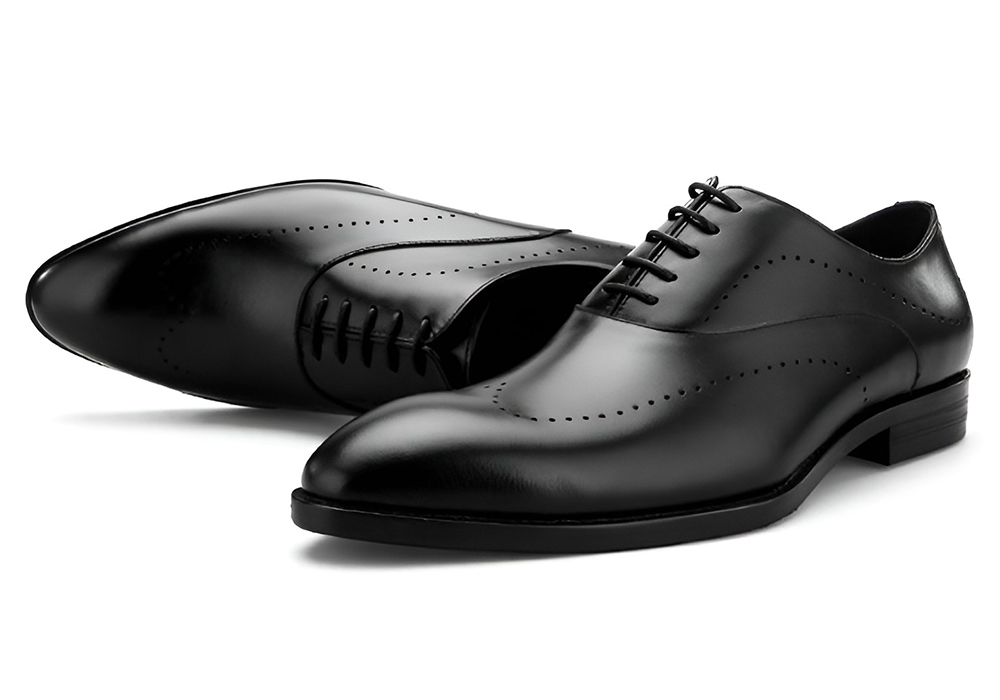
Wincheer Shoes Co., Ltd. is a men’s leather shoe manufacturer with OEM/ODM experience dating back to 2007, producing in Jiangmen, Guangdong—with showrooms and warehouses in both Shanghai and Jiangmen, and visitors always welcome to tour the production lines. The factory supports private label starting from around 60 pairs on existing designs, with CE, REACH (Azo dyes), RoHS, and EN-ISO 20347 certifications, 500,000 pairs of annual capacity, and 7–15 day sampling. Browse our men’s Oxford shoes to see private-label-ready styles, explore the full manufacturing capabilities, or contact Wincheer for a private label quote with your logo and packaging spec.